
Sacramento Launches $8M Guaranteed Income Program
Paying Eligible Foster Youth $900 a Month
U.S. | Guaranteed Income | Social Programs | October 2, 2026
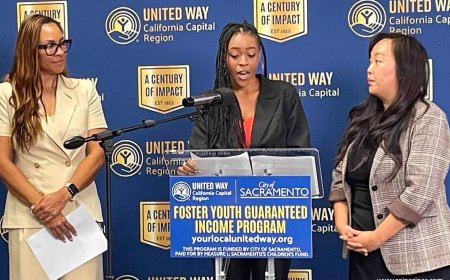
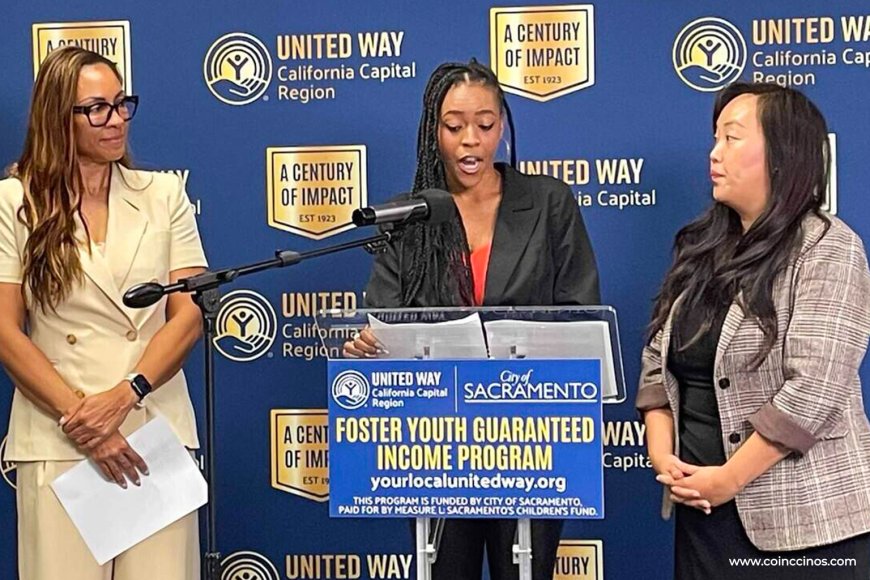
The City of Sacramento, California, and United Way California Capital Region have launched an $8 million guaranteed-income program that will provide eligible current and former foster youth with $900 per month for up to two years.
Applications opened October 1 and will remain open through October 31, 2026. Eligible applicants will be selected through a lottery, with participants expected to be notified by the first week of November.
What Is the Program?
The Foster Youth Guaranteed Income Program is designed to provide financial support to young people transitioning out of the foster-care system.
Unlike traditional assistance programs, the payments are unrestricted cash, meaning recipients can decide how to spend the money without having to complete additional services to receive the monthly payments.
Program at a Glance
| Detail | Information |
|---|---|
| Total funding | $8 million |
| Monthly payment | $900 |
| Maximum duration | Up to 24 months |
| Location | Sacramento County, California |
| Target group | Current/former foster youth |
| Applications | October 1–31, 2026 |
| Selection | Lottery |
| Administrator | United Way California Capital Region |
Who Can Apply?
The program is aimed at young people who are currently in foster care or have recently transitioned out of the system.
Applicants generally need to be 16–24 years old and either have exited foster care or be within approximately 90 days of transitioning out. Additional eligibility requirements apply.
The program specifically focuses on Sacramento County residents because young people leaving foster care can face a transition period in which access to existing support systems changes.
How Will the Money Be Used?
The payments come with no spending restrictions.
Recipients could use the money for expenses such as:
- Housing or a security deposit
- Groceries
- Education
- Transportation
- Car repairs
- Technology
- Other everyday expenses
The purpose is to give participants greater control over how they use the financial support.
How Are Participants Selected?
Applications are being accepted during October.
After the application period, eligible applicants will be selected through a lottery, rather than simply receiving payments on a first-come, first-served basis. Selected participants are expected to be notified by the first week of November.
This approach is also common in other guaranteed-income pilots when the number of eligible applicants exceeds available places.
Where Does the $8M Come From?
The program is funded by the City of Sacramento through Measure L, Sacramento's Children's Fund.
United Way California Capital Region is responsible for implementing and administering the program.
The city has previously partnered with United Way on guaranteed-income initiatives. A previous program provided $500 per month to 80 families for one year.
Guaranteed Income Is Expanding Across the U.S.
Sacramento's program is part of a broader trend of U.S. cities experimenting with direct cash payments.
A national guaranteed-income database lists pilots ranging from several hundred dollars per month to $1,000 or more, with durations ranging from several months to multiple years.
The Urban Institute says that more than 150 guaranteed-income pilots have launched in the U.S. since 2018, targeting groups including low-income families, foster youth, seniors and parents.
What Previous Research Shows
Research from other guaranteed-income programs has produced mixed but notable findings.
For example, a Federal Reserve Bank of Minneapolis evaluation of its guaranteed-income pilot found that recipients reported better mental health, more stable finances and greater food security after one year. Researchers also reported no evidence that the payments caused recipients to work less during that period.
However, results from one city or population should not automatically be assumed to apply to every guaranteed-income program.
Sacramento's new program will provide another opportunity to examine how unrestricted cash affects young adults transitioning from foster care.
Why This Matters
The Sacramento initiative highlights a growing policy experiment around direct cash assistance.
For former foster youth, the transition to independent living can involve housing, education, employment and transportation costs occurring at the same time. The program is designed to provide predictable monthly income during that transition.
The larger question is whether guaranteed-income programs can produce durable improvements in financial stability and independence after payments end.
What to Watch
- October 31: Application deadline.
- Early November: Expected notification of lottery-selected participants.
- Program enrollment: How many eligible young people participate.
- Use of funds: How recipients allocate their monthly payments.
- Long-term outcomes: Housing stability, education, employment and financial security.
- Post-program results: Whether benefits continue after the 24-month payment period.
FAQ
How much will eligible Sacramento foster youth receive?
Participants can receive $900 per month for up to two years, subject to the program's eligibility and enrollment requirements.
Is the $900 payment restricted?
No. The program is designed as no-strings-attached guaranteed income, allowing recipients to decide how to spend the money.
When can people apply?
Applications opened October 1, 2026, and run through October 31. Eligible applicants will be selected by lottery.
Who is eligible?
The program targets current and former foster youth ages 16–24 in Sacramento County, including people who are within approximately 90 days of transitioning out of foster care. Additional requirements apply.
Final Take
Sacramento's new $8 million guaranteed-income program will provide eligible foster youth with $900 monthly payments for up to 24 months, without restrictions on how the money is spent.
With applications running throughout October and participants chosen by lottery, the program will become another U.S. case study in whether predictable, unrestricted cash assistance can help young adults build greater financial and housing stability during a major transition period.