
Binance Faces EU Scrutiny Over MiCA ‘Reverse Solicitation’
Route
Binance | MiCA | EU Regulation | October 2, 2026
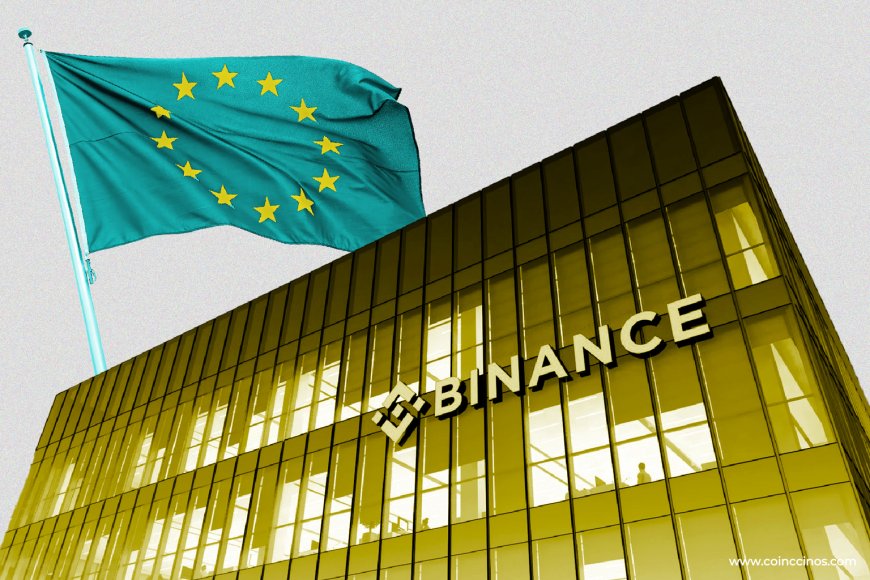
Binance is facing renewed scrutiny from European regulators over how it continues serving some customers in the European Union after failing to secure authorization under the bloc’s Markets in Crypto-Assets Regulation (MiCA) framework.
The European Securities and Markets Authority (ESMA), alongside regulators in France, Germany and Greece, is examining Binance’s reported reliance on the “reverse solicitation” exemption.
What Happened?
Under MiCA, crypto-asset service providers generally need authorization to offer services across the EU.
Binance withdrew its MiCA application in Greece in June and said it would pursue authorization in another EU member state. The exchange has continued saying that it remains committed to obtaining MiCA authorization.
The latest regulatory questions focus on whether Binance can continue serving certain EU users through an exemption intended for situations where customers independently approach a non-EU provider.
What Is Reverse Solicitation?
Reverse solicitation is a narrow MiCA exception.
It can allow a non-EU crypto service provider to serve an EU customer when the customer initiates the relationship entirely on their own initiative, rather than the company actively marketing or soliciting services in the EU.
ESMA has emphasized that the exemption should be interpreted narrowly and cannot be used as a way to circumvent MiCA licensing requirements.
Simple Example
Potentially covered:
EU customer independently seeks out a non-EU crypto platform and initiates the relationship.
Potentially outside the exemption:
A non-EU platform actively targets EU customers with advertising, promotions or other solicitation.
The precise application depends on the facts and the applicable regulatory requirements.
Binance's Abu Dhabi Connection
Some European customers are reportedly being served through a Binance entity regulated in Abu Dhabi, rather than through a MiCA-authorized EU entity.
Binance became regulated under the Abu Dhabi Global Market framework in December 2025 and later transitioned global-platform services to three ADGM-regulated entities.
The Abu Dhabi authorization, however, does not itself constitute a MiCA authorization for the EU.
That distinction is central to the current regulatory questions.
Binance Says It Is Working Toward MiCA Authorization
Binance has maintained that it complies with applicable regulatory requirements and is continuing its European licensing efforts.
In June, Binance said it withdrew its Greek application and would seek authorization in another EU member state. The company said its long-term objective remains operating under a harmonized MiCA framework.
A Binance spokesperson also told Reuters that the exchange is “actively working toward becoming MiCA-authorised.”
Regulators Could Take Enforcement Action
The current scrutiny does not mean Binance has been found in violation of MiCA.
However, according to reports, regulators have requested information from Binance and could consider enforcement measures, including fines, if the company's explanations do not satisfy them.
This makes the case important beyond Binance itself because regulators are also examining how non-EU crypto companies can legally interact with European customers after the MiCA transition period.
MiCA Deadline Has Passed
The EU's MiCA transition period ended on July 1, 2026 for firms that did not obtain the required authorization.
From that point, unlicensed crypto companies were expected to wind down EU operations, subject to the applicable national and transitional rules.
The dispute over reverse solicitation therefore comes at a critical stage for Europe's crypto regulatory framework.
Why This Matters for Crypto Exchanges
The Binance case could influence how other international crypto companies approach the European market.
Key questions include:
- How narrowly will regulators interpret reverse solicitation?
- Can non-EU entities serve existing European customers?
- What activities constitute active solicitation?
- How will regulators treat services provided through overseas affiliates?
- Will national regulators coordinate enforcement more aggressively?
The outcome could affect exchanges that do not yet hold a MiCA authorization.
Potential Impact on Binance Users
For users, the most important issue is the legal entity providing their services.
Binance has previously said that service availability can depend on a user's jurisdiction, account status and servicing entity.
European users should therefore pay attention to Binance's regulatory communications and verify which entity provides their particular services.
What Investors Should Watch
1. ESMA's Position
Further guidance from ESMA could clarify how reverse solicitation is interpreted.
2. National Regulators
France, Germany and Greece are among the regulators reportedly examining Binance's situation.
3. Binance's MiCA Application
The next EU member state where Binance seeks authorization could become important for its European strategy.
4. Enforcement Actions
Any formal action or fines could establish a precedent for other non-EU exchanges.
5. User Access
European customers should watch for changes to products, onboarding and servicing entities.
Key Numbers
| Item | Detail |
|---|---|
| MiCA transition deadline | July 1, 2026 |
| Binance Greek application | Withdrawn June 2026 |
| Abu Dhabi regulation | Since December 2025 |
| Regulators examining issue | ESMA, France, Germany, Greece |
| Main issue | Reverse solicitation |
FAQ
What is reverse solicitation under MiCA?
It is a narrow exception that can allow a non-EU crypto provider to serve an EU customer when that customer independently initiates the relationship.
Does Binance currently have a MiCA license?
Binance did not secure MiCA authorization before the July 2026 deadline and withdrew its Greek application in June. The company says it is pursuing authorization in another EU member state.
Is Binance's Abu Dhabi license the same as a MiCA license?
No. Binance's Abu Dhabi authorization operates under the ADGM regulatory framework and is separate from authorization under MiCA.
Has Binance been found to have violated MiCA?
Not based on the reports currently available. Regulators are examining the situation and could take action depending on their findings.
Final Take
Binance's European operations are facing a new regulatory test as ESMA and national authorities examine the exchange's reliance on MiCA's reverse-solicitation exemption.
The central issue is whether the exemption is being used within its intended narrow scope or whether regulators believe Binance's European customer activity requires MiCA authorization. Binance says it remains compliant and is continuing to pursue a MiCA license.
The outcome could provide an important precedent for how global crypto exchanges operate in the EU without a direct MiCA authorization.