
Trump Backs Final Crypto Bill Offer as CLARITY Act Faces
Crucial Senate Vote
President Donald Trump has agreed to a substantial portion of a bipartisan ethics proposal aimed at winning Democratic support for the CLARITY Act, a major U.S. crypto market-structure bill. The agreement comes just ahead of a crucial Senate procedural vote on September 15, with Republicans needing 60 votes to move the legislation forward.
What Happened?
Senate Republicans have released a revised 630-page version of the CLARITY Act, incorporating more than 100 changes requested by Democrats during negotiations.
The latest proposal includes changes covering:
- Crypto ethics rules for federal officials
- Stablecoin rewards and yield
- DeFi regulation
- CFTC enforcement
- State attorneys general enforcement powers
- Restrictions on certain crypto-related conflicts of interest
Sen. Cynthia Lummis said the revised legislation incorporates more than 114 provisions requested by Democrats.
Trump Agrees to Key Ethics Changes
The biggest breakthrough concerns Trump's own crypto interests.
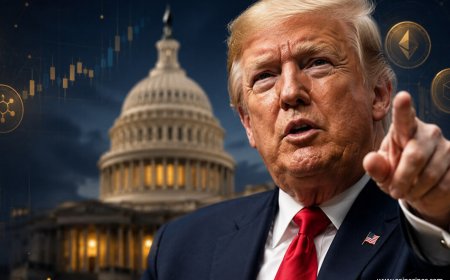
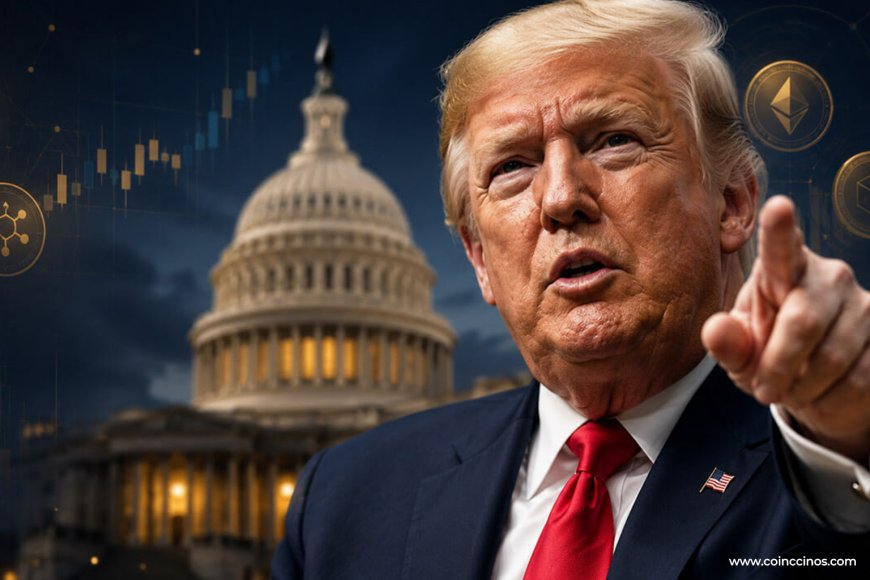
According to Republican senators, Trump agreed to roughly 80% of an ethics proposal developed by Republican Sen. Thom Tillis and Democratic Sen. Ruben Gallego. The proposal would allow significant crypto interests to be placed into a blind trust or divested, while also giving state attorneys general a role in enforcing certain restrictions.
The issue has become one of the main obstacles to Democratic support because of Trump's extensive involvement in crypto businesses and digital assets.
Why Democrats Remain Unconvinced
Despite the new compromise, Democratic support is not guaranteed.
Democrats have continued to raise concerns about:
- Trump's crypto-related financial interests
- Stablecoin yield provisions
- Consumer protections
- Enforcement authority
- Potential conflicts between crypto businesses and traditional banks
The latest revised bill still leaves some of these issues unresolved. Newsbit reported that no Democrat had publicly committed to supporting the new version before the vote.
CLARITY Act Faces a 60-Vote Test
The Senate is scheduled to hold a procedural vote on September 15.
This is not a final vote on the CLARITY Act. Instead, it is a vote on whether the Senate can proceed with consideration of the legislation.
The bill needs 60 votes to clear the procedural hurdle. Republicans hold 53 seats, meaning they need Democratic support to advance the measure.
Key Numbers
| Detail | Status |
|---|---|
| Bill | CLARITY Act |
| Latest draft | ~630 pages |
| Changes requested by Democrats | 114+ |
| Senate procedural vote | September 15 |
| Votes required | 60 |
| Republican Senate seats | 53 |
| Main obstacle | Ethics + stablecoin provisions |
What Changes for DeFi?
One of the more significant changes targets platforms that describe themselves as decentralized but remain effectively controlled by a person or group.
Under the revised proposal, certain non-decentralized trading protocols could face registration requirements with the Commodity Futures Trading Commission (CFTC).
The bill also narrows certain DeFi provisions toward spot and cash transactions.
Stablecoin Yield Remains a Major Dispute
Stablecoin rewards are another unresolved issue.
Traditional banks have raised concerns that crypto platforms offering yield on stablecoins could pull deposits away from community banks. The crypto industry, meanwhile, wants to preserve the ability to offer rewards and incentives around stablecoin products.
The revised bill reportedly introduces a potential “circuit breaker” that could allow regulators to intervene if stablecoin activity creates significant deposit-flight risks.
Why the CLARITY Act Matters for Crypto
The legislation is designed to create a broader regulatory framework for digital assets in the United States and clarify the respective roles of the SEC and CFTC.
If enacted, the framework could provide crypto companies with greater regulatory certainty while establishing additional compliance requirements.
The industry has spent heavily lobbying for the bill, while banking groups and some lawmakers have pushed for stronger safeguards.
Bullish Scenario for Crypto
If the Senate advances the bill and negotiations continue successfully, the development could improve sentiment across the digital-asset market.
Potential benefits include:
- Greater regulatory clarity
- More institutional participation
- Clearer SEC/CFTC jurisdiction
- Increased confidence among crypto companies
- Potential growth in U.S. digital-asset infrastructure
Bearish Scenario
Failure to reach 60 votes on September 15 could significantly delay the legislation.
The bill could then face a much narrower legislative window, particularly with the 2026 midterm elections approaching.
Trump crypto adviser Patrick Witt has warned that failure now could mean Congress may not get another realistic opportunity for some time.
What Investors Should Watch
The biggest developments are:
- September 15 Senate procedural vote
- Whether Democrats publicly commit to the revised bill
- Final ethics language covering politicians' crypto interests
- Stablecoin-yield provisions
- CFTC and SEC jurisdiction
- DeFi registration requirements
- Any further White House concessions
FAQ
What is the CLARITY Act?
The CLARITY Act is proposed U.S. legislation designed to establish a comprehensive regulatory framework for digital assets and clarify the roles of the SEC and CFTC.
Did Trump agree to the Democrats' demands?
Trump agreed to a significant portion of the proposed ethics framework, reportedly around 80%, but negotiations remain ongoing and Democratic support is not guaranteed.
When is the Senate vote?
The key procedural vote is scheduled for September 15, 2026.
Does 60 votes mean the CLARITY Act becomes law?
No. The September 15 vote is a procedural vote to advance consideration. Even if it passes, the bill would still need further Senate action, House approval and presidential signature.
Final Take
The CLARITY Act has reached a critical point. Republicans have significantly revised the legislation and Trump has accepted major portions of the proposed ethics compromise, but the most politically sensitive issues remain unresolved.
The September 15 procedural vote could determine whether the U.S. moves closer to its first comprehensive crypto market-structure law — or whether the legislation faces another major delay.
For crypto investors, the outcome could become an important regulatory catalyst for Bitcoin, stablecoins, DeFi and the broader U.S. digital-asset industry.