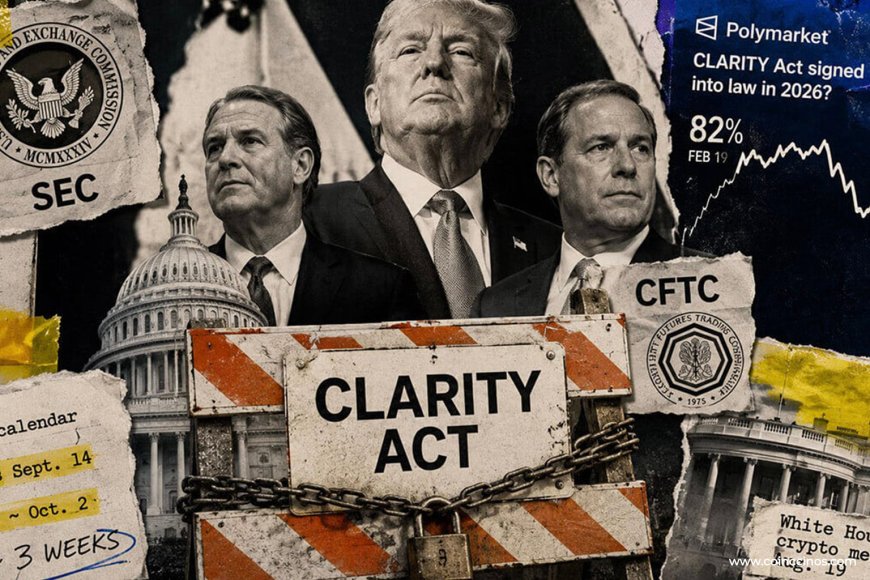

Crypto Industry Spent $8M Lobbying for CLARITY Act as
Senate Bill Stalls
Crypto Regulation | U.S. Crypto Policy | October 1, 2026
The U.S. crypto industry spent roughly $8 million on lobbying tied to the CLARITY Act during the first half of 2026, but the market-structure legislation failed to advance in the Senate.
A CoinDesk review of federal lobbying disclosures found that the crypto sector spent more than $13 million on lobbying overall during the first six months of the year. About $8 million was connected to efforts around the CLARITY Act, which sought to establish a clearer federal regulatory framework for digital assets.
Where Did the $8M Go?
The lobbying campaign involved crypto companies, industry associations and external government-relations firms.
| Category | Reported Spending |
|---|---|
| Total crypto lobbying, H1 2026 | $13M+ |
| CLARITY-related lobbying | ~$8M |
| External lobbying firms | ~$2.4M |
| Industry-association lobbyists | ~$2.1M |
| Crypto companies' internal efforts | Remaining amount |
The disclosures do not always identify every issue discussed by lobbyists, meaning some of the spending categorized as cryptocurrency or financial-services lobbying may have covered additional policy matters.
Coinbase Was the Largest Spender
Coinbase accounted for approximately $2.2 million in lobbying expenditures connected to the legislative effort, according to the reviewed disclosures.
Kraken spent close to $1 million, while other participants included Digital Currency Group, Jump Crypto and Paradigm. External firms including Michael Best Strategies, Goldstein Policy Solutions and Phronesis DC each received at least $200,000 for lobbying work during the first half of 2026.
The spending came on top of separate crypto-sector campaign contributions and advocacy-group expenditures, which are not included in the $8 million figure.
CLARITY Act Fails to Advance in Senate
The CLARITY Act passed the House before facing a major procedural hurdle in the Senate.
On September 15, 2026, the Senate vote failed to reach the 60-vote threshold required to advance the legislation. Reports put the final vote at 49–50, leaving the bill short of the required threshold.
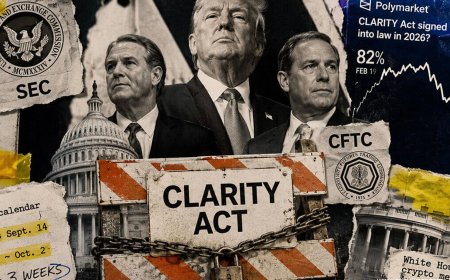
The legislation had attracted support from parts of the crypto industry because it was designed to address the regulatory division between the SEC and CFTC and provide a federal framework for digital assets.
However, lawmakers remained divided over several provisions, including issues surrounding stablecoins, banking interests and ethics provisions involving government officials' crypto activities.
Banking Industry Also Lobbied
The crypto industry's lobbying campaign faced opposition from established banking groups.
The American Bankers Association (ABA) reported an approximately 80% increase in federal lobbying expenditures during the first half of 2026 compared with the same period a year earlier. Banking associations pushed for changes to provisions they argued could affect deposits and lending.
This created competing lobbying campaigns around the legislation, with crypto companies seeking a broader digital-asset framework while banking groups pushed for changes to protect traditional financial institutions.
What Happens After the Senate Setback?
The Senate setback does not necessarily end the U.S. debate over crypto market structure.
The crypto industry has indicated it will continue pursuing legislation, while regulators are also developing separate policy approaches.
The SEC and CFTC have been exploring regulatory initiatives and frameworks for digital assets, including work involving tokenized securities and regulatory sandboxes.
This could create two parallel paths:
Congress: legislation establishing a durable statutory framework.
Regulators: rules, guidance and pilot programs that can address parts of the market without new legislation.
Why This Matters for Crypto
Regulatory uncertainty remains an important issue for U.S. crypto businesses.
A comprehensive market-structure law could potentially clarify questions around:
- Which digital assets fall under SEC or CFTC oversight
- How crypto exchanges are regulated
- Rules for digital-asset intermediaries
- Treatment of decentralized finance
- Federal oversight of crypto markets
- Interaction between crypto companies and traditional financial institutions
However, the exact effects would depend on the final legislative language.
Key Numbers
- $13M+ — total crypto-sector lobbying spending in H1 2026
- ~$8M — spending connected to CLARITY Act lobbying
- $2.2M — Coinbase's reported lobbying expenditure
- ~$1M — Kraken's reported spending
- $2.4M — approximately spent on external lobbying firms
- 60 votes — Senate threshold required to advance the legislation
- 49–50 — reported September 15 Senate vote
What Crypto Investors Should Watch
1. SEC and CFTC Actions
Regulators may continue developing rules and programs while Congress works on legislation.
2. A Possible New CLARITY Attempt
Lawmakers could revisit the legislation or negotiate a revised version.
3. Stablecoin Regulation
Stablecoin provisions remain an important part of the broader U.S. crypto-policy debate.
4. Banking Industry Response
Traditional financial institutions are likely to continue lobbying over provisions affecting deposits, lending and digital assets.
5. 2026 Midterm Elections
Crypto-focused political organizations have also accumulated substantial resources for the U.S. election cycle, creating another avenue for the industry to influence future policy debates.
FAQ
How much did the crypto industry spend lobbying for the CLARITY Act?
Approximately $8 million in the first half of 2026 was linked to lobbying around the legislation, according to CoinDesk's analysis of federal disclosures.
How much did the crypto industry spend on lobbying overall?
The sector spent more than $13 million on lobbying during the first six months of 2026.
Did the CLARITY Act pass the Senate?
No. The bill failed to reach the required 60 votes during the September 15 procedural vote.
What happens next?
The crypto industry can continue lobbying for legislation, while the SEC and CFTC can pursue regulatory measures within their existing authority.
Final Take
The $8 million CLARITY Act lobbying effort highlights the scale of the crypto industry's push for federal market-structure legislation in the United States.
Despite millions of dollars spent on direct lobbying, the bill did not clear its Senate procedural hurdle in September. The next phase of U.S. crypto regulation could therefore involve a combination of continued congressional negotiations, regulator-led initiatives and renewed industry lobbying.