US Midterm Elections: Democratic Gains Could Slow Crypto Legislation in 2027
Publication Date: November 4, 2026
Category: Regulation | US Politics | Cryptocurrency
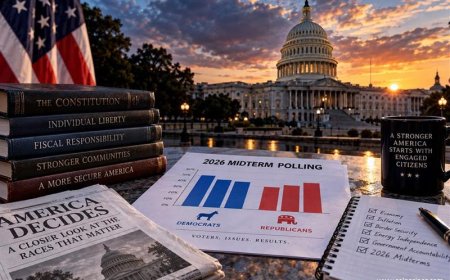
The 2026 US midterm elections could reshape the regulatory outlook for the cryptocurrency industry, with Democrats projected to take control of both the Senate and the House of Representatives.
The result represents a setback for crypto companies and political action committees (PACs) that invested heavily in supporting Republican candidates. It also raises questions about the future of proposed digital asset legislation, including the stalled Digital Asset Market Clarity Act.
Key Highlights
-
Democrats are projected to gain control of both chambers of Congress.
-
Crypto-backed groups spent approximately $170 million on the 2026 election cycle.
-
A $63 million campaign against Ohio Democrat Sherrod Brown failed to prevent his return to the Senate.
-
Elizabeth Warren could take a leading role on the Senate Banking Committee.
-
Bipartisan support for crypto legislation remains in the House.
Democrats Gain Ground in Congress
The November 3 elections delivered significant gains for Democrats across several traditionally Republican states.
According to election reporting, Democratic candidates made advances in Texas, North Carolina, Kansas, Iowa and South Carolina. Their gains are expected to give the party control of the congressional agenda when the new lawmakers take office in January 2027.
The outcome could change how lawmakers approach cryptocurrency regulation, financial oversight and the broader digital asset industry.
Crypto Industry's Election Spending Faces a Setback
The cryptocurrency industry invested heavily in the elections through political action committees supporting candidates considered favourable to digital assets.
Industry-linked PACs reportedly spent around $170 million during the election cycle. One of the most notable campaigns involved approximately $63 million spent to oppose former Senator Sherrod Brown's return to the Senate in Ohio.
Despite that spending, Brown won his race.
The result highlights the limits of campaign spending in determining election outcomes and suggests that the industry's political influence may face a more challenging environment in the next Congress.
What Democratic Control Could Mean for Crypto Regulation
The Senate is expected to become a more difficult environment for legislation supported by the crypto industry.
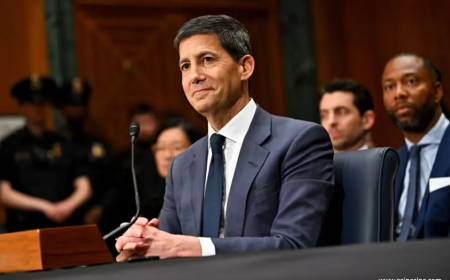
Senator Elizabeth Warren, a prominent critic of parts of the cryptocurrency sector, could assume a leading position on the Senate Banking Committee. The committee plays an important role in reviewing financial and digital asset legislation.
Democratic lawmakers have previously called for stronger consumer protections, stricter controls against illicit finance and greater safeguards concerning public officials' involvement in crypto businesses.
These priorities could influence future negotiations over market structure legislation and the responsibilities of crypto companies.
The House may offer a different picture. Support for digital asset regulation has crossed party lines, meaning some targeted legislation could still attract bipartisan backing.
What Happens Next?
The new Congress is scheduled to begin in January 2027. Until then, lawmakers may continue discussions on cryptocurrency taxation, market structure and regulatory oversight.
The industry will also be watching whether regulators can finalise pending rules before the political transition changes the legislative environment.
However, a Democratic majority does not automatically mean that all crypto legislation will stop. The outcome will depend on negotiations, committee leadership and the willingness of lawmakers from both parties to reach agreements.
Final Takeaway
The 2026 US midterm elections mark a significant shift in the political environment surrounding cryptocurrency. Heavy industry spending did not deliver all the expected electoral results, while Democratic gains could make regulatory negotiations more demanding.
For crypto businesses, the next two years may require greater engagement with lawmakers across both parties as the debate over digital asset regulation continues.
Disclaimer: This article is for informational and educational purposes only and does not constitute financial or investment advice. Coinccino does not provide buy or sell signals.