
Bitcoin Falls as Trump Rejects Iran Proposal to Reopen Strait
of Hormuz
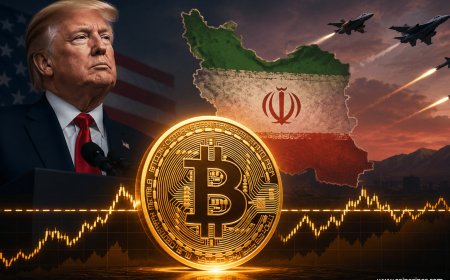
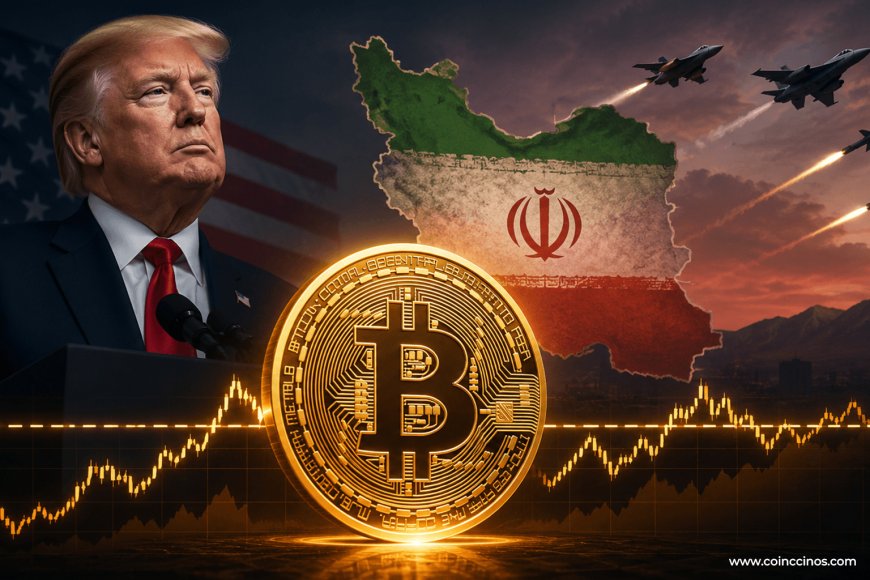
Bitcoin came under renewed pressure after U.S. President Donald Trump rejected an Iranian proposal aimed at reopening the Strait of Hormuz within seven days.
The development has increased uncertainty around the Iran-U.S. conflict and pushed oil prices higher, adding another inflation risk for global markets. Bitcoin has recently shown strong sensitivity to movements in oil prices, Treasury yields and expectations for Federal Reserve policy.
What Happened?
Iran had proposed reopening the strategically important Strait of Hormuz if the United States reduced military pressure and lifted its blockade. Trump rejected the roadmap on September 26, saying the proposed agreement was not acceptable.
Iranian officials have since indicated that they are not prepared to soften their conditions and are still waiting for an official response through intermediaries including Qatar and Pakistan.
The Strait of Hormuz is critical to global energy markets because a significant share of international oil shipments passes through the route.
Oil Prices Rise Again
The rejection has quickly returned attention to the energy market.
Brent crude had already risen sharply after the latest developments, with Newsbit reporting another increase after the U.S. rejection. The oil market had previously fallen by around 10% over five days as investors became more optimistic about a possible reopening of Hormuz.
Higher oil prices matter for crypto because they can contribute to higher inflation expectations, potentially reducing expectations for monetary easing.
Why Oil Matters for Bitcoin
The current market chain is relatively straightforward:
Hormuz uncertainty → higher oil prices → inflation concerns → higher yields → pressure on risk assets
Bitcoin is increasingly traded alongside other macro-sensitive assets, meaning changes in rates and liquidity can have a significant effect on BTC.
Bitcoin Loses Momentum
Bitcoin had recently climbed toward $87,000, but the rally has weakened as geopolitical tensions returned.
Newsbit reported that BTC was trading around $84,200 after a sharp decline earlier in the week. The broader crypto market also moved lower, with Ethereum, Solana and XRP recording losses.
The latest decline highlights how quickly Bitcoin's short-term trend can change when macroeconomic and geopolitical risks increase.
Fed Rate Expectations Become Important
The oil shock is also affecting expectations for U.S. monetary policy.
According to Newsbit's latest market coverage, the probability of another Federal Reserve rate increase in October had risen to around 70% following stronger economic data and renewed inflation concerns.
Higher rates can make cash and government bonds more attractive relative to riskier assets such as cryptocurrencies.
This week, markets are also preparing for fresh U.S. inflation and employment data, including the PCE Price Index, a closely watched inflation measure for the Federal Reserve.
Bitcoin Technical Levels
Bitcoin's recent price structure leaves several levels in focus.
| Level | Importance |
|---|---|
| $87,000 | Recent local high |
| $85,000 | Near-term psychological level |
| $84,000 | Current market area |
| $81,000 | Important breakout/support zone |
| $80,000 | Major psychological support |
Newsbit identifies the region just below $81,000 as an important breakout zone that Bitcoin needs to defend.
A sustained move back above $85,000 could improve short-term momentum, while a breakdown toward or below $81,000 would put the recent recovery under greater pressure.
Why the Strait of Hormuz Matters
The Strait connects the Persian Gulf with the Gulf of Oman and is one of the world's most important energy routes.
Iran's proposal offered a potential path toward reopening the waterway, but Trump's rejection means the immediate uncertainty remains.
Reuters reported that Iran had offered to reopen the strait if Washington reduced military pressure and lifted its blockade, while Trump has maintained a harder negotiating position.
For financial markets, the main concern is not simply the geopolitical conflict itself but its potential impact on oil supply, inflation and interest rates.
What Investors Should Watch
The next major catalysts for Bitcoin include:
- ????️ Brent crude and broader oil prices
- ???????? U.S.-Iran negotiations
- ???? Developments around the Strait of Hormuz
- ???? U.S. PCE inflation data
- ???? U.S. employment data
- ???? Federal Reserve rate expectations
- ???? Bitcoin ETF flows
- ???? BTC's ability to hold the $81,000 area
A reduction in geopolitical tensions and falling oil prices could ease pressure on risk assets. Conversely, further escalation could keep inflation and interest-rate concerns elevated.
Bullish Scenario
Bitcoin could regain momentum if:
- Oil prices decline again
- The U.S.-Iran conflict shows signs of de-escalation
- Hormuz reopening negotiations resume
- Treasury yields fall
- ETF demand remains positive
- BTC holds above $81,000
Bearish Scenario
Further pressure could emerge if:
- Oil prices continue climbing
- The Strait remains closed
- The conflict escalates
- Inflation expectations increase
- Markets price in additional Fed tightening
- Bitcoin loses the $81,000 support zone
FAQ
Why is Bitcoin falling?
The latest pressure is linked partly to renewed geopolitical uncertainty after Trump rejected Iran's proposal to reopen the Strait of Hormuz. Higher oil prices can also increase inflation and interest-rate concerns.
What did Iran propose?
Iran proposed reopening the Strait of Hormuz within roughly seven days under conditions including reduced U.S. military pressure and an end to the blockade. Trump rejected the proposal.
Why does Hormuz matter for Bitcoin?
The strait is a major global energy route. Disruptions can push oil prices higher, increasing inflation concerns and potentially putting pressure on interest-sensitive risk assets such as Bitcoin.
What Bitcoin level is important now?
The $81,000 area is an important support zone to watch after Bitcoin's recent recovery.
Final Take
Bitcoin's latest decline shows how closely crypto markets remain connected to the global macroeconomic environment.
Trump's rejection of Iran's Hormuz proposal has revived concerns about oil supply and inflation. With markets already watching the possibility of another Fed rate increase, oil prices, U.S. economic data and developments in the Iran-U.S. conflict could remain key drivers for Bitcoin this week.
For BTC, the $81,000 support region remains an important technical level while the market waits for clearer signals from both geopolitics and the Federal Reserve.